

Bluestream whitepaper Industry + documentation
Innovation in manufacturing.
Innovation in information.
01 / The evolution
As manufacturing advances, content and document creation and publication must evolve with it.
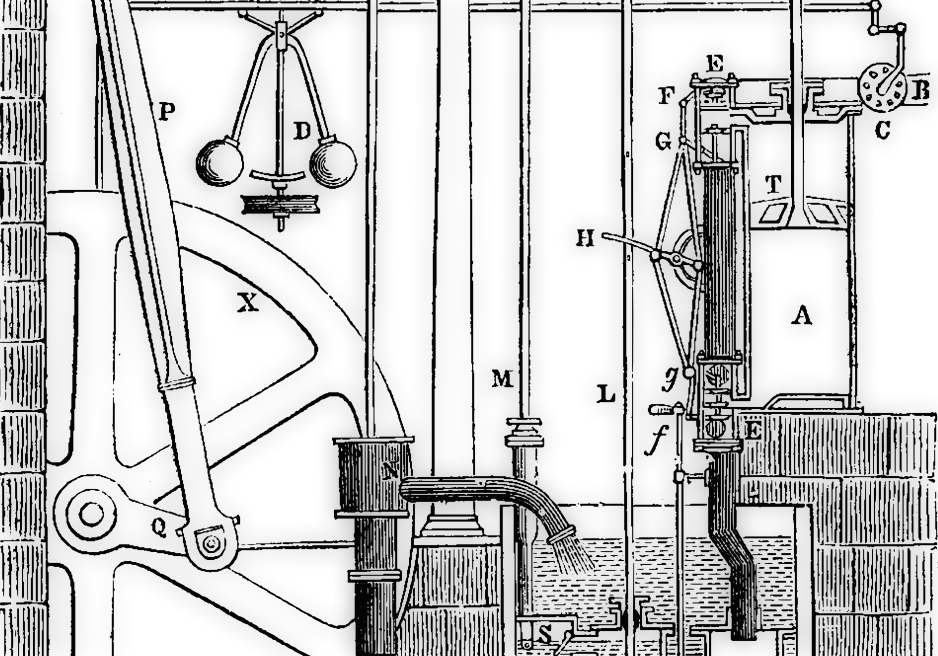
James Watt (1736–1819), a Scottish inventor, helped kick-start the first Industrial Revolution by improving the efficiency of steam engines and adapting them to provide rotary motion. As factories started using steam power, productivity grew exponentially.
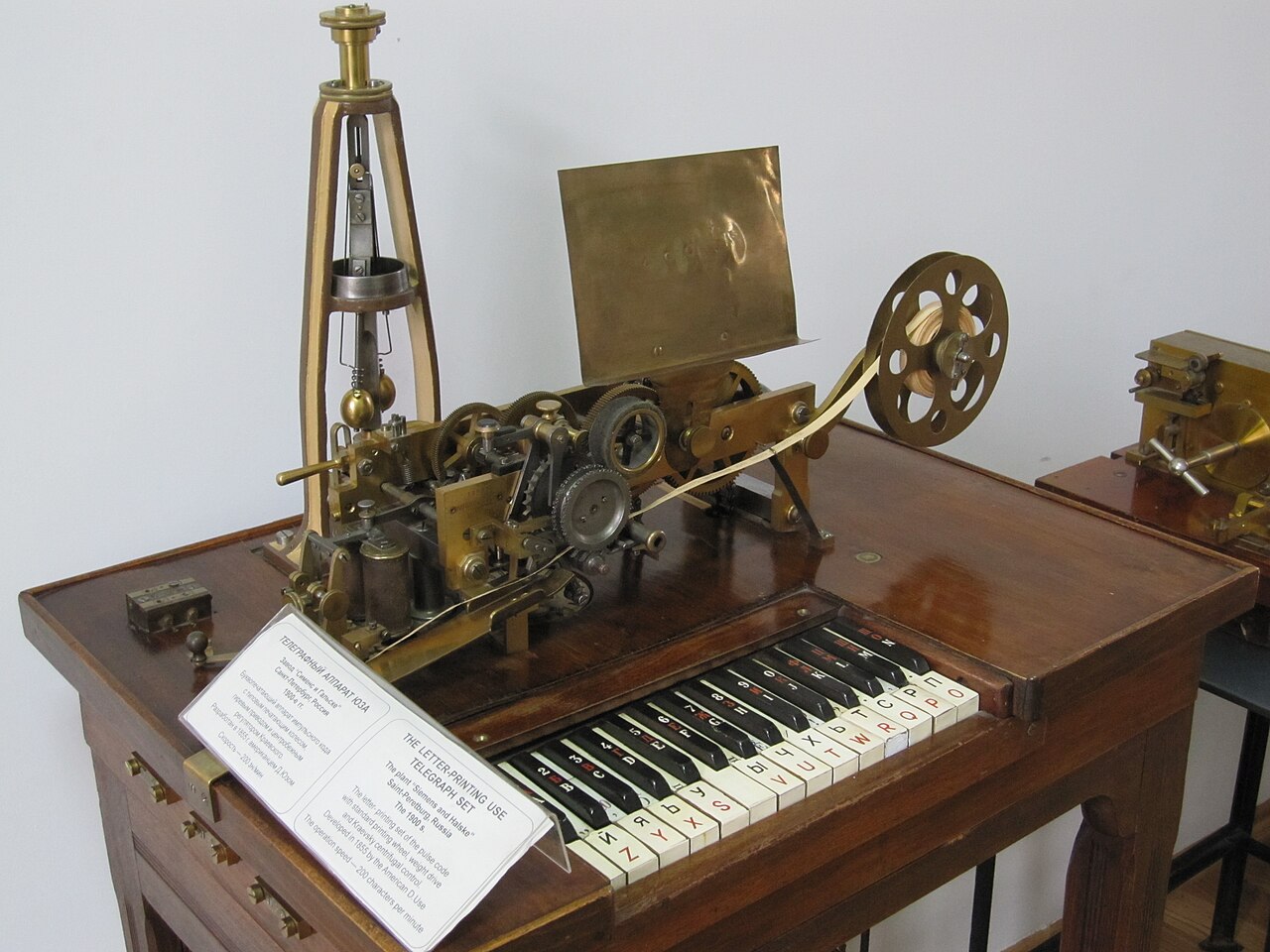
Advances in communication and transportation drove the second industrial revolution in 1870.
The invention of the electric telegraph heralded a new way to send information instantly, while the growth of the railways meant large numbers of people could quickly move around.
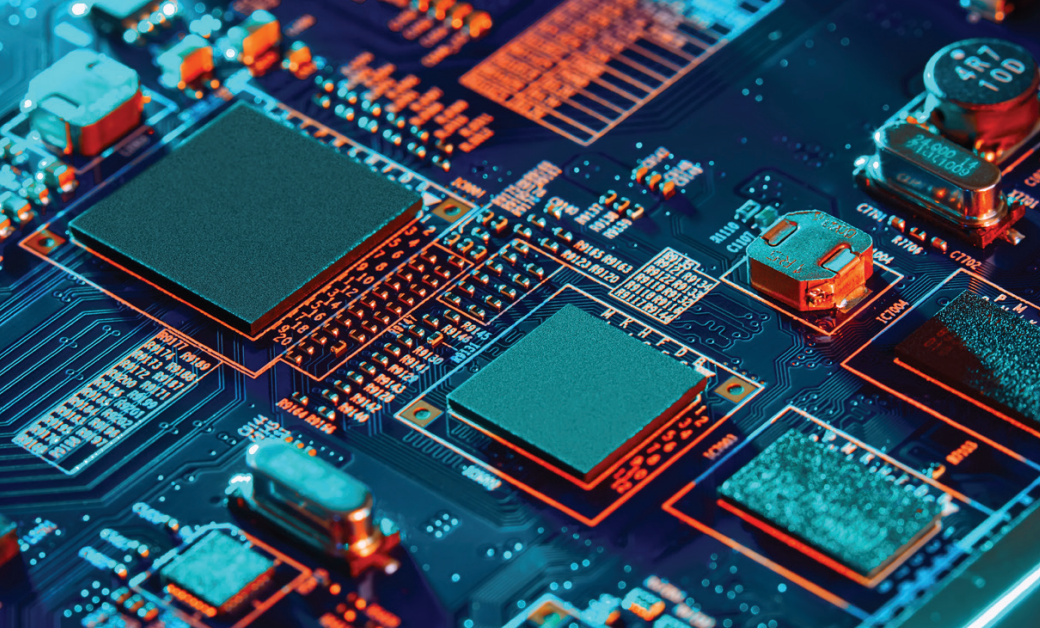
The third industrial revolution was the advancement of digital electronics, computers, and the internet that started in the late twentieth century.
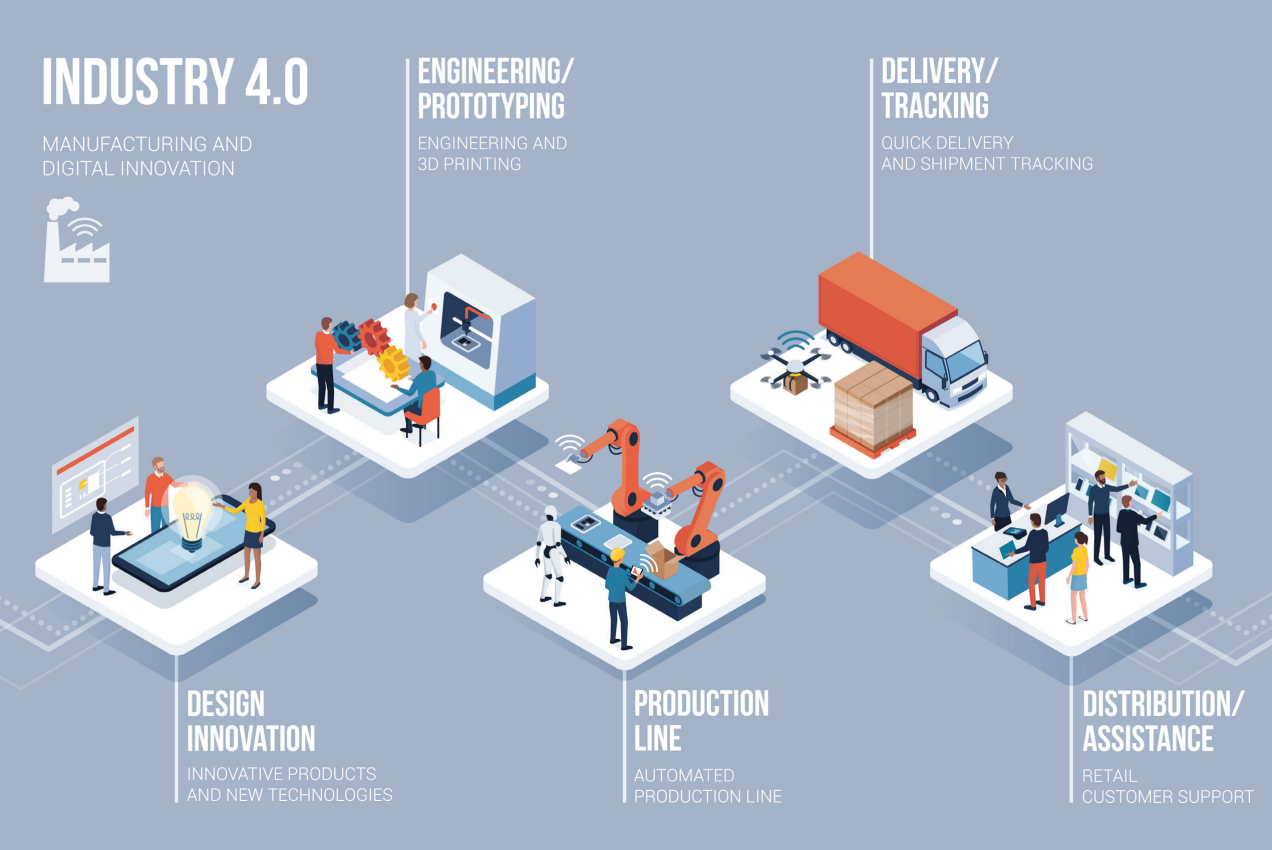
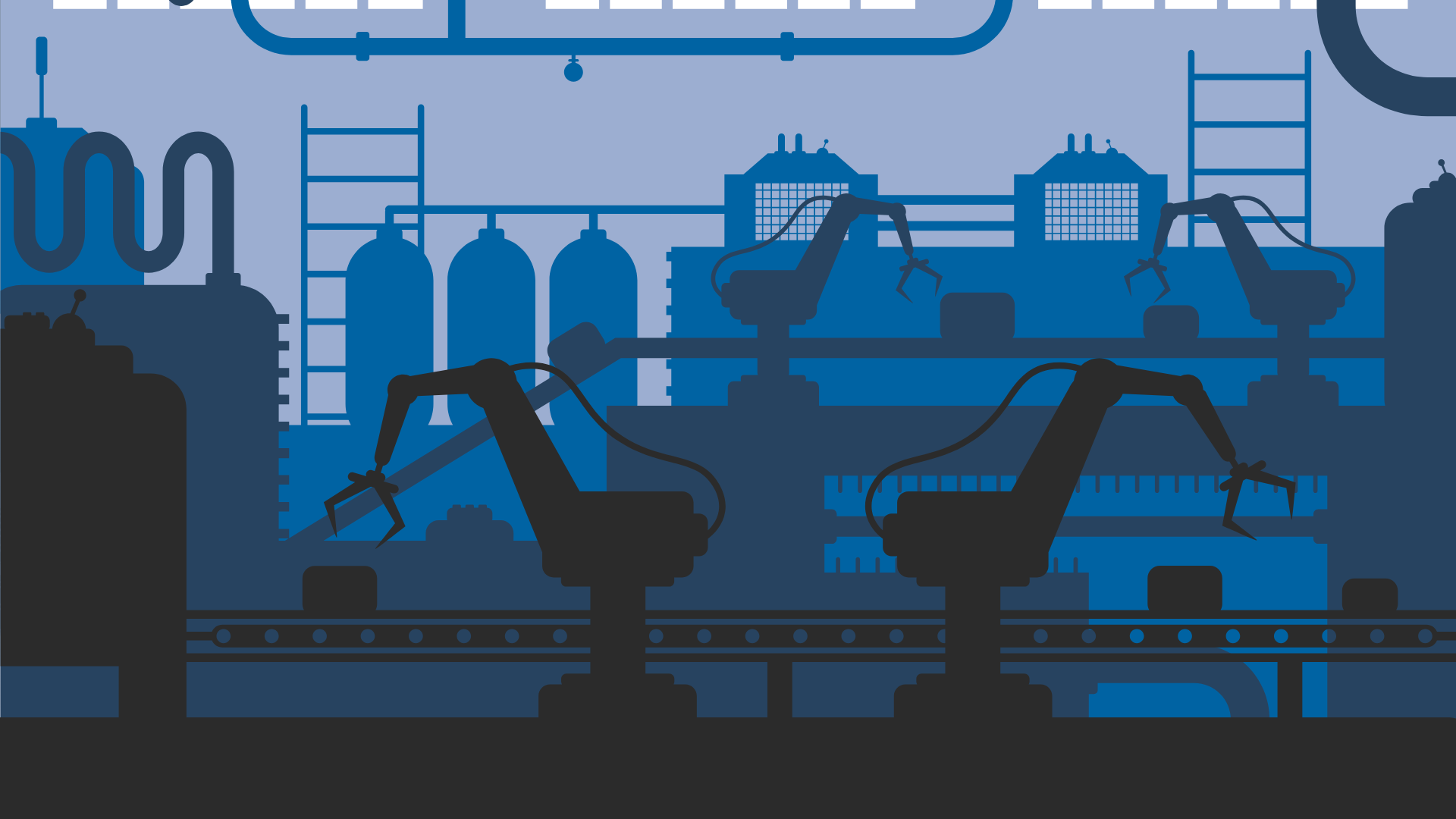
Now we have Industry 4.0 and the ‘smart’ factory, a more advanced approach to manufacturing, with even greater automation and interaction between manufacturing software systems and machines. Industrie (sic) 4.0 was originally a German government initiative to increase the computerization of manufacturing and promote product customization within a high-volume manufacturing environment.
Many other countries and organizations have since adopted and extended it.
To date, documentation has passed through three stages of evolution:
Parallel evolutions, shown by stage rather than by shared dates.
While there are several opinions on who first started representing words with shapes and letters, there is no dispute that it was over 5,000 years ago.
The Chinese invented woodblock printing. Later, Johannes Gutenberg invented a press that applied even pressure to the paper and type in the 1440s, beginning mass-production printing.
During the Renaissance, a printing press could produce over 3,000 pages per day. In comparison, a hand printer could create approximately 40 pages, while handcopying produced even less.
The third revolution in documentation was the internet and the mass availability of content online. In December 1995, there were around 16 million internet users; by January 2023, that had grown to approximately 5.3 billion. The internet has over 1.2 billion pages, and even Google has only indexed part of it.
As we embrace Industry 4.0, ‘smart’ factories, and ‘smart’ manufacturing, we must also move towards more innovative documentation.
03 / Seven principles
The next evolution is Documentation 4.0, and that also has its design principles:
All seven principles are shown below. Select a heading to collapse or expand its detail.
The underlying challenge
Generic documentation helps nobody; information relating to parts or functions not included in a particular build gets in the way and leads to confusion. This confusion will manifest itself both in terms of operational efficiency and maintenance/servicing difficulties.
Operators will struggle to understand how to approach tasks, and machine maintenance will take longer. If you have customizable machines, you must have customized documentation to support them.
The challenge is to create this machine-specific documentation easily, especially when you also need to localize it.

Generic documentation helps nobody; information relating to parts or functions not included in a particular build gets in the way and leads to confusion. This confusion will manifest itself both in terms of operational efficiency and maintenance/servicing difficulties.
Operators will struggle to understand how to approach tasks, and machine maintenance will take longer. If you have customizable machines, you must have customized documentation to support them.
The challenge is to create this machine-specific documentation easily, especially when you also need to localize it.
Machines, sites, and systems evolve over their lifetime. Their documentation must reflect modifications and upgrades. Therefore, create content that you can update as those systems change.
Intelligent content uses metadata: data that describes the content itself. Correct, efficient use of metadata makes content more useful. To achieve the efficiencies envisaged in Industry 4.0, users must be able to find relevant content quickly.
Intelligent content can do more than just inform; it can also generate revenue. Aftermarket sales of spare parts and consumables are a valuable revenue stream. Documentation linked to parts ordering and fulfillment systems supports these sales.
The ‘smart’ factory relies on connectivity between machines and systems to empower users and improve decision-making. Documentation systems must also connect to these systems. They need to import content from the ‘smart’ factory and use it to create new publications.
Content is easier to read in your first language. However, poor localization can mislead readers or, in the worst case, put them in danger. Therefore, manage the localization process carefully.
Printed material is cumbersome and difficult to maintain. To keep people following current guidelines, collect and destroy outdated printed publications, including SOPs (standard operating procedures), user guides, and maintenance manuals.
Intelligent electronic delivery always sends the right content to the relevant device or platform. This includes IIoT (industrial internet of things) devices.
Interactive service documentation portals provide a single point for all publication types. Content consumers can use hand-held devices, on-machine HMIs, or PCs to access the latest information.
To achieve all of the above, manage content properly throughout its life cycle. Use audit trails and tools to ensure regulatory compliance.
04 / In practice
Bluestream’s solution for the challenges of Documentation 4.0 is the XDocs Manufacturing Suite which delivers all of the above and more.
Bluestream XDocs DITA CCMS (Component Content Management System) is the foundation of the XDocs Manufacturing Suite. DITA is an XML standard for building modular publications. Authors create content as Topics: self-contained blocks of information that they can combine and publish as larger documents.
Bluestream XDocs DITA CCMS (Component Content Management System) is the foundation of the XDocs Manufacturing Suite. DITA is an XML standard for building modular publications. Authors create content as Topics: self-contained blocks of information that they can combine and publish as larger documents.
For example, a sub-assembly may appear in several versions of a machine. If its maintenance instructions change, update the maintenance Topic. Then update all publications across those machine types at the same time.
The XDocs Manufacturing Suite has unprecedented metadata support.
The XDocs Manufacturing Suite lets you connect to other manufacturing software applications such as ERP, PIM, and PLM. It imports content such as BOMs and diagrams from these systems to generate IPCs (Illustrated Parts Catalogs) automatically.
You can then link these IPCs to fulfillment systems. Users can quickly identify the correct part and order it at the touch of a button. Technical authors can also find this parts information and insert it into the documentation. XDocs DITA CCMS also supports publishing to IIoT devices.
The XDocs Manufacturing Suite provides industry-leading localization control. Connect directly to your LSP (Language Service Provider) to round-trip content automatically. You can also connect directly to XTM.
The XDocs Manufacturing Suite can use Bluestream’s XDelivery platform to build Interactive Service Documentation Portals. These portals let you store and publish all types of content. XDelivery supports bulk uploads of legacy PDFs, audio, and video files.
You can also push content to on-machine HMIs (Human-Machine-Interfaces), giving users the latest operational and troubleshooting guides.
