

Technical documentation teams are no longer responsible for simply publishing manuals, PDFs, and help topics. They are increasingly expected to deliver answers quickly, support multiple audiences, reduce support burden, and make complex information easier to access.
As documentation volumes grow, traditional content delivery platforms are evolving. Search bars and navigation menus still matter, but users now expect a more direct experience. They want to ask a question and receive a relevant answer.
This is where AI chatbots are transforming content delivery platforms for technical documentation teams.
From Content Delivery to Answer Delivery
Traditional content delivery platforms focus on making documentation available. They organize content, provide navigation, and allow users to browse or search for information.
AI chatbots shift the experience from content delivery to answer delivery.
Instead of forcing users to locate the right document, open it, scan sections, and interpret the information themselves, an AI chatbot can retrieve the most relevant content and present it as a direct response.
For documentation teams, this changes the role of a delivery platform. It is no longer just a place where documentation is published. It becomes an interactive knowledge layer that helps users find and apply information faster.
Why Technical Documentation Teams Need AI Chatbots
Technical documentation is often complex, highly detailed, and spread across many formats. Users may need information from PDFs, HTML topics, DITA content, release notes, service manuals, or knowledge base articles.
Even when content is accurate, users may still struggle to find it. They may not know the correct terminology. They may describe a problem by symptom rather than product name. They may search in a different way than the documentation is written.
AI chatbots help close this gap by allowing users to ask questions naturally. A technician can ask about an error code. A customer can ask how to configure a setting. A support agent can ask for the correct troubleshooting procedure.
The chatbot acts as a guided entry point into the documentation.
How AI Chatbots Work with Content Delivery Platforms
An AI chatbot is most effective when it is connected to a structured content delivery platform.
The platform provides access to approved documentation. Search and retrieval systems identify relevant topics. The chatbot presents the information conversationally, often with links back to the source content.
In a strong implementation, the chatbot does not invent answers. It retrieves information from governed documentation and uses that content to respond.
This is especially important for technical documentation teams, where accuracy, safety, and traceability matter.
The Importance of Structured Content
AI chatbots perform best when documentation is structured. Large, unorganized documents make it harder for AI systems to retrieve precise answers.
Structured content breaks documentation into focused topics such as procedures, concepts, troubleshooting steps, warnings, and reference information. Metadata adds context, such as product version, audience, language, region, and applicability.
This structure helps AI chatbots understand which content is relevant to a user’s question.
For example, if a user asks about a maintenance step for a specific product model, metadata can help ensure the chatbot retrieves the correct version of the procedure rather than a generic or outdated answer.
Improving Search Through Natural Language Questions
One of the biggest advantages of AI chatbots is that users no longer need to search using exact keywords.
Traditional search often depends on matching words. AI-powered retrieval can focus more on meaning. This allows users to ask questions in everyday language and still receive useful results.
For technical documentation teams, this is a major improvement. It reduces the gap between how writers describe information and how users ask for help.
A user might search for “machine will not restart after shutdown,” while the documentation refers to “startup failure after power cycle.” An AI chatbot can connect those meanings and retrieve the right troubleshooting content.
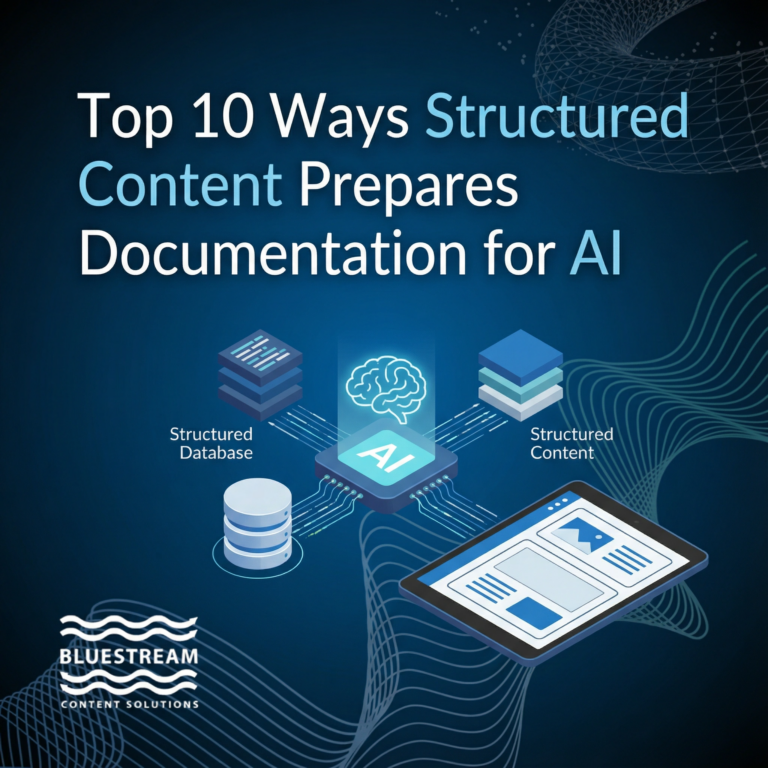
Discover how structured content enables AI-driven search, smarter documentation delivery, and better user experiences across complex manufacturing environments…
Reducing Support Burden
Many support tickets are created because users cannot find answers that already exist in documentation.
AI chatbots help reduce this burden by making self-service support more effective. Users can ask routine questions and receive immediate responses based on approved documentation.
This reduces repetitive support requests and allows support teams to focus on more complex issues.
It also helps documentation teams demonstrate the value of their content. When documentation actively resolves user questions, it becomes a measurable part of the support ecosystem.
Supporting Multiple Audiences from One Platform
Technical documentation often serves different audiences. Customers, field technicians, support teams, partners, and internal staff may all need access to different levels of information.
A content delivery platform with AI chatbot capabilities can use metadata and access controls to tailor responses based on user role, product, region, or permissions.
This helps ensure users receive information that is relevant and appropriate. It also prevents internal-only or outdated information from being surfaced in customer-facing responses.
For documentation teams, this means content can be reused across audiences while still being delivered responsibly.
Turning User Questions into Documentation Insights
AI chatbot interactions create valuable feedback for documentation teams.
The questions users ask reveal what they are trying to do, where they are confused, and which topics may be missing or unclear. Repeated questions may indicate that content is hard to find or that a procedure needs improvement.
By analyzing chatbot queries, documentation teams can identify content gaps, improve metadata, refine topic structure, and prioritize updates based on real user behavior.
This creates a continuous improvement loop between users and documentation teams.
Building Trust in AI-Powered Documentation
Trust is essential when AI is used in technical documentation. Users need confidence that answers are accurate, current, and based on approved content.
AI chatbots should provide transparency by linking back to the source documentation. They should respect permissions and avoid using outdated, draft, or unapproved content.
For technical documentation teams, governance becomes even more important. Content must be structured, reviewed, approved, and maintained so the chatbot has reliable information to retrieve.
AI does not remove the need for content governance. It makes governance more visible and more valuable.
What This Means for Technical Documentation Teams
AI chatbots are changing how technical documentation is delivered and experienced.
They make documentation more conversational, more searchable, and more useful at the point of need. They also increase the importance of structured content, metadata, governance, and delivery architecture.
For documentation teams, this shift creates an opportunity to move beyond publishing content and toward delivering intelligent answers.
The teams that benefit most will be those that prepare their content for AI by focusing on structure, clarity, consistency, and traceability.
Final Thoughts
AI chatbots are transforming content delivery platforms by changing the user experience from searching documents to receiving answers.
For technical documentation teams, this transformation is significant. It improves findability, reduces support burden, supports multiple audiences, and turns user questions into actionable content insights.
But successful AI chatbot delivery depends on strong documentation foundations. Structured content, metadata, approved sources, and modern delivery platforms all play a critical role.
As users increasingly expect direct answers, content delivery platforms that include AI chatbots will become an essential part of modern technical documentation strategy.
Want to See Metadata Strategies in Action?
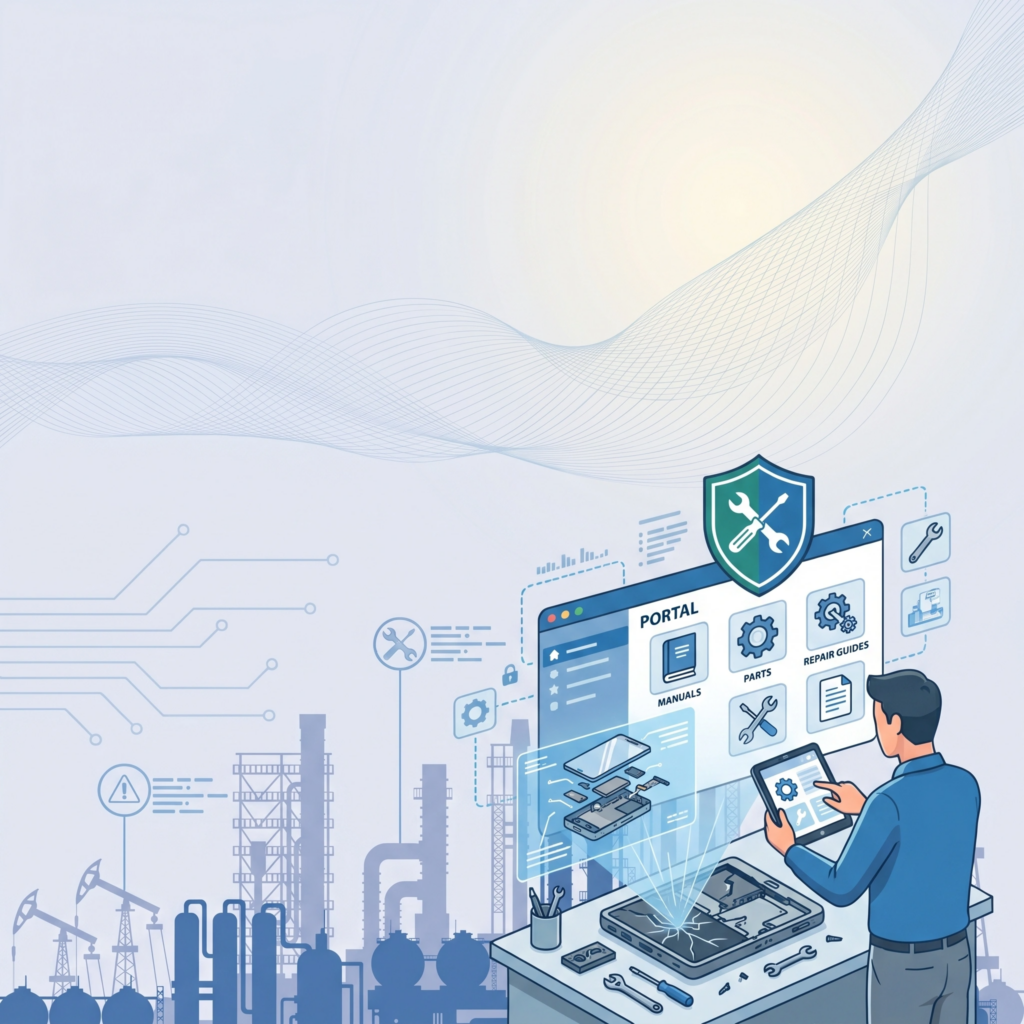
Want to see how a modern documentation portal can support Right to Repair and improve access to your technical content?
Explore how XDelivery helps manufacturers deliver structured, searchable, and AI-ready documentation across all products and user groups.
Q&A: AI Chatbots and Content Delivery Platforms
How are AI chatbots changing technical documentation delivery?
AI chatbots are changing documentation delivery by allowing users to ask questions and receive direct answers instead of searching through long manuals or document lists.
Why are AI chatbots useful for technical documentation teams?
They help users find information faster, reduce repetitive support questions, and make complex documentation easier to access across different audiences.
Do AI chatbots replace content delivery platforms?
No. AI chatbots work best when connected to a strong content delivery platform that manages approved, structured, and searchable documentation.
Why does structured content matter for AI chatbots?
Structured content helps chatbots retrieve accurate answers by organizing documentation into clear topics with metadata, relationships, and version control.
Can AI chatbots reduce support tickets?
Yes. When users can get answers directly from documentation through a chatbot, they are less likely to contact support for routine questions.
How can documentation teams use chatbot data?
Documentation teams can review chatbot questions to identify content gaps, confusing topics, missing procedures, and common user pain points.
